Mardi Gras Embroidery Design Review
First Impressions: Festive, Bold, and Ready for Fabric
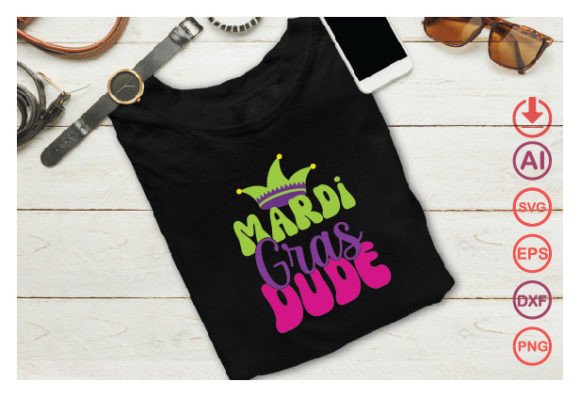
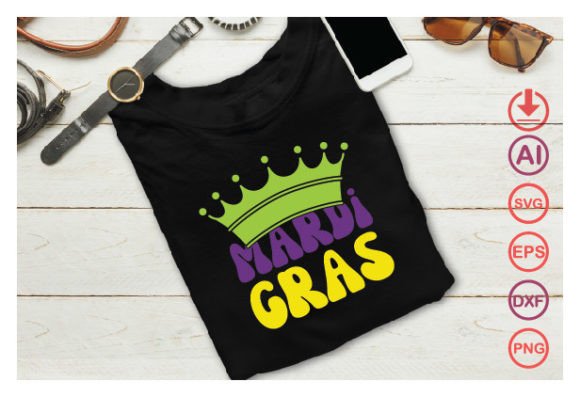
Opening Mardi Gras for the first time, I felt that familiar spark—the kind you get when a design instantly communicates its purpose. It’s not just a graphic; it’s a mood. Think rich purples, golds, and greens translated into clean, confident shapes—no pixelated edges, no awkward spacing, no overcomplicated flourishes. As an embroidery designer who’s stitched hundreds of holiday and themed graphics, I immediately saw how this would translate to thread: strong outlines for satin stitch definition, open areas that invite fill stitch breathing room, and balanced negative space so it won’t drown on a baby onesie or vanish on a dark sweatshirt.
A Real Project Test: Custom Tote Bags for a Local Bakery Pop-Up
Last week, I prepped a batch of canvas tote bags for a New Orleans–themed bakery pop-up. I chose Mardi Gras as the centerpiece—not for full-coverage flash, but for quiet confidence: centered above the pocket, sized at 3.25", with a subtle gold-on-charcoal thread combo. Why this design worked? Its layout respects fabric real estate. The crown motif sits high, the beads flow downward without dragging, and the lettering (if included in your version) has generous kerning—no thread nests between letters. Customers didn’t just see “Mardi Gras”—they felt the celebration, the craft, the intention behind each stitch. That’s the difference between a clipart transfer and a thoughtful embroidery file built for real-world wear.
Where Mardi Gras Shines—and Where It Needs Thoughtful Handling
Mardi Gras is strongest on mid-weight, stable fabrics: cotton twill for aprons, brushed poly-cotton for sweatshirts, medium-weave linen for pillow covers. On a structured cap front? Yes—but only if your hoop size comfortably accommodates its width and you use cutaway + tear-away stabilizer combo to prevent puckering on the curve. On baby onesies? Scale down to 2.5" max and double-check small details—like bead highlights—aren’t lost in dense fill stitch. On stretchy jersey tees? Proceed with caution: test stitch density first. Too many overlapping satin stitches in tight curves can cause distortion. A lighter fill stitch variation or strategic running stitch accents will keep it crisp.
Dark fabric? Excellent contrast potential—but verify thread color clarity in mockups. Light backgrounds? Consider tonal stitching (e.g., deep plum on lavender) for boutique-level subtlety. For embroidered patches or iron-ons, ensure all elements are fully enclosed—no floating stems or isolated flourishes that’ll fray under heat and wear.
What This Means for Your Craft Business
If you’re an Etsy seller or small shop owner, Mardi Gras isn’t just another T-Shirt Designs download—it’s a versatile digital embroidery file that supports multiple revenue streams. Use it as a standalone embroidered patch sewn onto denim jackets. Layer it subtly on tea towels with coordinating running-stitch borders. Feature it on personalized baby blankets alongside monograms—its symmetry and rhythm read well at small scale. And for holiday embroidery or wedding favors (think Mardi Gras–themed bridal showers), it adds instant personality without looking mass-produced.
Customers respond to authenticity. When Mardi Gras stitches cleanly—no skipped jumps, no thread breaks in tight corners—it reinforces trust in your handmade product. That perception of quality lifts perceived value, justifies premium pricing, and encourages repeat orders. It also plays well in printable mockups: clean lines hold up in grayscale previews, making your digital listings look sharp even before buyers see it stitched.
Practical Designer Notes Before You Stitch
- Always test first: Run Mardi Gras on scrap fabric matching your final project’s weight and stretch.
- Check thread color contrast: Try black, navy, and gold threads side-by-side on your base fabric—not just on screen.
- Review stitch density: Dense fill areas may need reduced density for lightweight fabrics or frequent-wash items like kitchen towels.
- Confirm hoop size compatibility: Measure the design’s widest point against your machine’s maximum hoop dimensions—especially for caps or curved surfaces.
- Inspect fine details: Zoom in on bead edges and crown points. If they’re too narrow for your machine’s minimum stitch length, adjust or simplify.
- Mock it in black and white: Ensures legibility and balance without color distraction.
- Match stabilizer to fabric: Cutaway for knits, tear-away for stable wovens, fusible for lightweight linens.
- Verify licensing: Since this is a Graphics-type download with SVG/DXF files, confirm whether commercial use of finished embroidered items is permitted—especially if selling on Etsy or at craft fairs.
Final Thought: Not Just a Design—A Conversation Starter
Mardi Gras works because it understands context. It doesn’t shout. It invites. Whether stitched on a chef’s apron, a toddler’s bib, or a limited-run boutique sweatshirt, it carries energy without sacrificing elegance. As a designer, I appreciate that it leaves room for my voice—the choice of thread sheen, the stabilizer blend, the placement decision that makes it feel personal rather than templated. That’s what turns a generic machine embroidery design into a signature piece for your craft business. Use it intentionally, test it honestly, and let the celebration speak through your stitches.