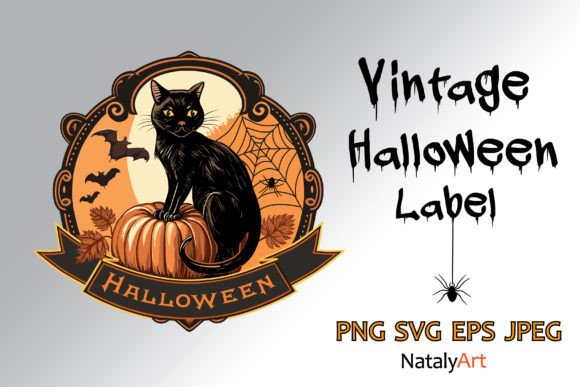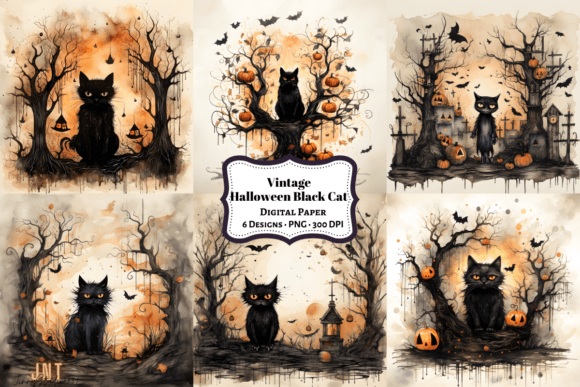
Halloween Black Cat Digital Paper
As an embroidery designer and product reviewer, I’ve evaluated countless digital files over the years. Halloween Black Cat Digital Paper caught my attention not just for its spooky aesthetic, but for how it translates to real-world embroidery projects. Let’s break down what this design offers—and where it might fall short—based on practical use in custom apparel, handmade products, and commercial designs.
The First Impression: Mood, Layout, and Visual Personality
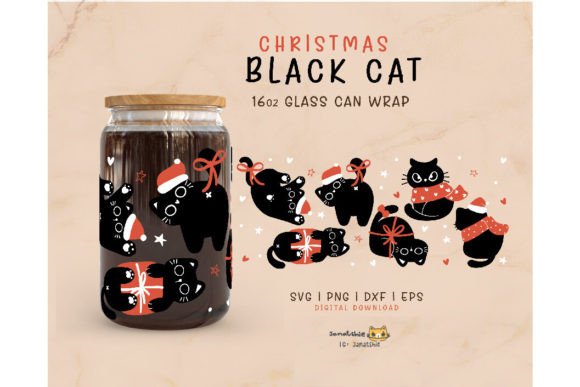
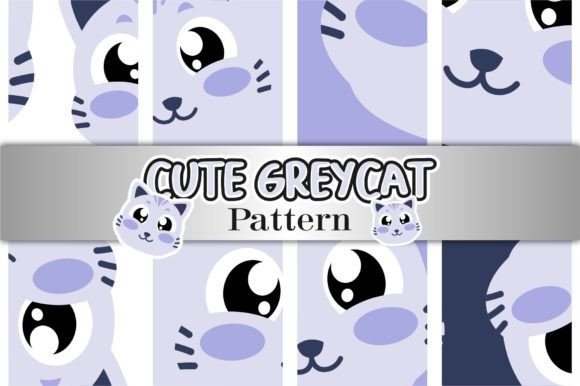
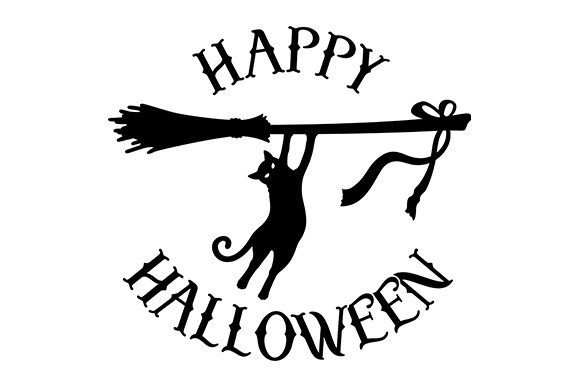
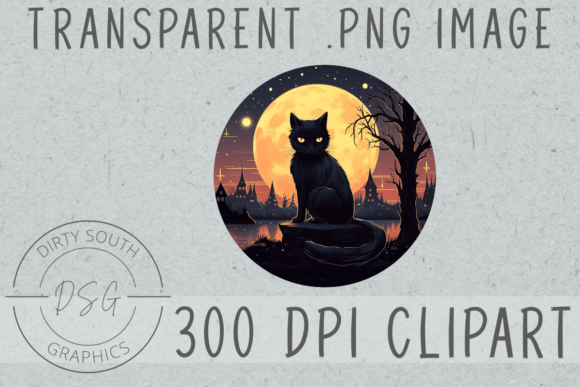
Halloween Black Cat Digital Paper immediately sets a tone of mystery and whimsy. The design features a stylized black cat, likely intended for Halloween-themed projects. Its layout is clean, with enough detail to stand out without being overwhelming. The high-resolution PNG files (12 x 12 inches at 3600 x 3600 px) suggest it’s meant for larger embroidery pieces, like tote bags or sweatshirts. However, the simplicity of the cat’s shape makes it adaptable to smaller formats as well.
The visual personality leans toward classic Halloween imagery—elegant, not too gory. This makes it suitable for both children’s and adult-oriented projects. The design feels versatile enough for baby items, holiday gifts, or even boutique merchandise. But it’s not the kind of file that would work well for intricate, detailed embroidery. It’s more of a bold, statement piece.
Real-World Embroidery Performance
When testing Halloween Black Cat Digital Paper on different fabrics, I noticed that it works best on medium-weight materials. On thin or stretchy fabrics, the design can appear slightly distorted, especially around the edges. For small hoop sizes, the design may require some trimming or repositioning to ensure accuracy. If you’re planning to use it on a cap or a curved surface, be prepared to adjust the placement carefully.
For custom apparel, like a sweatshirt or tote bag, the design holds up well. The 12 x 12 inch size allows for a prominent placement, making it ideal for a front chest or back design. However, if you're working with a smaller space, such as a baby onesie or a patch, you may need to scale it down or simplify the details. The high resolution ensures that even when resized, the image remains sharp and clear.
One thing to note is that the design isn’t suited for dense stitch areas. If you’re using a fill stitch or satin stitch, the cat’s silhouette could become too thick or lose definition. A running stitch or light fill might be better for maintaining clarity. Also, the design doesn’t include any text, so if you’re looking for a personalized gift with a name or message, you’ll need to pair it with another design or add text separately.
Where to Use It Carefully
While Halloween Black Cat Digital Paper is great for many applications, there are a few scenarios where caution is needed. On dark fabrics, the design may not show up as clearly, especially if the thread color is too similar to the background. You might want to test it on a fabric swatch before committing to a full project.
Textured or stretchy fabrics can also affect the final look. The design may not sit flat or could pucker if the stabilizer isn’t properly applied. For layered garments or curved surfaces, consider using a hoop that allows for easy repositioning. Tiny details, like the cat’s eyes or whiskers, might get lost in a busy stitch pattern or on a fabric with a lot of movement.
If you’re planning to sell finished products, make sure to check the licensing terms. While the product description mentions it’s a digital download, it doesn’t specify whether it’s for personal or commercial use. Always confirm before selling or repurposing the design.
Impact on Visual Appeal and Customer Perception
Embroidered patches, tote bags, and sweatshirts featuring Halloween Black Cat Digital Paper have a strong visual appeal. The design adds a touch of elegance and seasonality, which can boost the perceived value of your handmade product. Customers often associate well-designed embroidery with quality craftsmanship, and this file supports that impression.
From a branding perspective, the design fits well into a Halloween collection or a seasonal line. It’s also great for personalized gifts, like embroidered pillows or kitchen towels. However, the design’s simplicity may not be enough for customers looking for highly detailed or unique artwork. It’s more of a staple than a standout piece.
When it comes to customer trust, a clear, professional-looking design helps build confidence. If the embroidery looks off or poorly executed, it can turn potential buyers away. That’s why testing the design on different fabrics and stitching it with proper stabilizer is crucial.
Practical Designer Notes
Before using Halloween Black Cat Digital Paper in a project, I recommend doing a few quick tests. Start by downloading the ZIP file and opening the PNGs to check the resolution and clarity. Then, print a mockup or use a printable mockup tool to see how it looks on different backgrounds.
Test the design on scrap fabric to evaluate how it stitches out. Check the thread color contrast, especially on dark or light fabrics. Review the stitch density to make sure it’s appropriate for your project. If the design is too dense, consider simplifying it or adjusting the stitch count.
For commercial projects, always confirm the licensing terms. If you’re an Etsy seller or a small shop owner, make sure the design is suitable for resale. And don’t forget to use the right stabilizer for your fabric type—this can make a big difference in the final result.
Final Thoughts
Halloween Black Cat Digital Paper is a solid choice for designers looking for a simple, effective Halloween-themed embroidery design. It works well for custom apparel, tote bags, and holiday gifts, and its high resolution ensures good quality across different sizes. However, it’s not ideal for every project—especially those involving small hoops, textured fabrics, or detailed elements.
If you’re an embroidery designer, craft business owner, or digital product seller, this file could be a useful addition to your design library. Just remember to test it thoroughly and consider the specific needs of your project before using it in a finished product.