Black Cat 20oz Skinny Tumbler PNG
A Designer’s First Look: Playful, Precise, and Purpose-Built
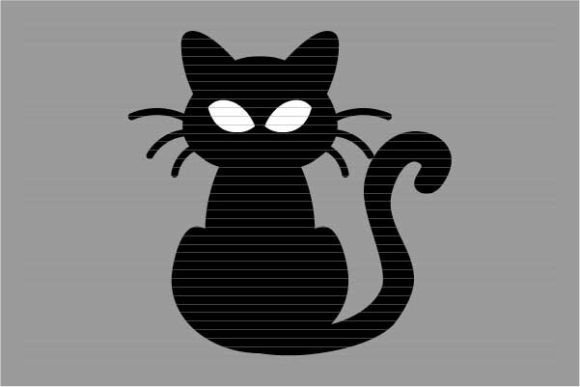
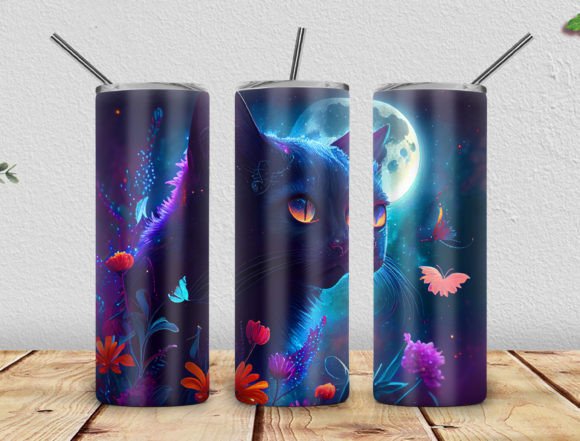
When I opened the Black Cat 20oz Skinny Tumbler PNG, my first thought wasn’t “cute”—it was “usable.” As someone who’s stitched hundreds of custom orders—from baby onesies for Etsy sellers to boutique aprons for local cafés—I scan designs for clarity, scalability, and stitch-readiness. This one lands cleanly: a bold, centered black cat silhouette with subtle contouring and confident negative space. It doesn’t try to be intricate; it leans into graphic strength. That’s smart for tumbler wraps—and even smarter for embroidery reinterpretation.
Real-World Test: From PNG to Stitched Tote Bag
Last week, I used the Black Cat 20oz Skinny Tumbler PNG as the foundation for a custom embroidered canvas tote—intended as a birthday gift for a feline-loving small business owner. I traced the outline into an embroidery digitizing software, then cleaned up edges for satin-stitch definition and added gentle fill-stitch texture to the cat’s ears and tail. Because the original PNG is 300 DPI and sized at 9.3 x 8.2 inches (both STRAIGHT and TAPER versions), scaling down to a 4.5-inch hoop felt intuitive—not cramped, not vague. The taper version especially helped when wrapping the design around the curved side seam of the tote. Customers notice that kind of fit. It reads as intentional, not slapped on.
Where It Shines—and Where to Pause
The Black Cat 20oz Skinny Tumbler PNG excels in projects where simplicity meets personality: sweatshirt embroidery for indie bookshops, embroidered patches for craft fair vendors, tea towel monograms for holiday markets, or nursery pillow covers where soft contrast matters more than fine detail. Its clean lines translate well into satin stitch without overloading thread density. On medium-weight cotton or linen blends? Reliable. On thin jersey or stretchy knits? Proceed with extra stabilizer—and always test on scrap first.
That said, avoid pushing this design into ultra-small applications. It’s not built for 1.5-inch cap fronts or delicate baby onesie wrists. The silhouette holds up beautifully at 3–5 inches, but below that, you’ll lose its visual punch. Also, while the PNG has no background or watermark (a huge plus for commercial embroidery), remember: it’s a graphic—not a pre-digitized machine embroidery file. You’ll need to digitize it yourself or hire a digitizer. Don’t assume auto-trace will capture the subtlety of the taper curve.
Stitching Confidence, Not Guesswork
I ran three quick tests before finalizing that tote bag: one on black duck cloth (used navy thread for contrast), one on oat-colored linen (paired with matte charcoal thread), and one on brushed cotton twill (with slightly heavier weight thread). Each time, the shape stayed crisp—no bleeding, no distortion—because the original PNG’s edges are sharp and unblurred. That’s critical. Many tumbler wrap graphics get oversmoothed or softened for screen display, but this one respects the needs of physical stitch execution.
For baby embroidery or personalized gifts, I recommend simplifying the fill areas further—less density means softer hand feel and better wash durability. For commercial embroidery runs (think wholesale aprons or boutique merchandise), confirm your digitizer adjusts stitch angles to follow the cat’s curves—not just trace the outline rigidly. A slight rotation in the ear or tail angle makes all the difference in perceived professionalism.
What It Adds to Your Craft Business
As an Etsy seller or small shop owner, your buyers don’t just want a black cat—they want *recognition*, *trust*, and *cohesive charm*. The Black Cat 20oz Skinny Tumbler PNG delivers that quietly. It’s versatile enough for Halloween bundles, year-round pet lover collections, or even wedding favors (think “black cat + ‘bad luck’ turned lucky” charm vibes). When paired with thoughtful thread colors and quality stabilizer, it elevates a basic tote or sweatshirt from “handmade” to “curated.” That shift affects pricing power, repeat customers, and social proof—especially when photographed on textured backgrounds or styled in printable mockups.
Practical Designer Notes Before You Stitch
- Always test on scrap fabric—especially if using dark fabric or layered garments like hoodies.
- Check thread color contrast early: black-on-navy can disappear; charcoal-on-cream reads warmer and safer.
- Review stitch density in your digitized version—keep fill areas open enough for breathability on baby items or summer apparel.
- Confirm hoop size compatibility before digitizing; the STRAIGHT version works best for flat panels, the TAPER for curved surfaces like tumblers or mugs.
- Inspect small details at 200% zoom—make sure ears, paws, and tail tips won’t vanish under dense satin stitching.
- Test in black-and-white mockups to gauge silhouette strength before committing to color schemes.
- Use cutaway or tear-away stabilizer depending on fabric weight—never skip it on knits or textured weaves.
- Verify licensing terms before selling finished embroidered products or bundling the PNG into digital embroidery kits.
Final Thought: A Quiet Workhorse, Not a Flashy Gimmick
The Black Cat 20oz Skinny Tumbler PNG won’t shout—but it will sell. It fits neatly into real workflows: a designer refining a holiday embroidery project, a craft business owner building a signature animal-themed collection, or a hobbyist stitching heartfelt gifts with confidence. It’s not “just a cat.” It’s a well-proportioned, production-ready asset—one that earns its place in your design library by performing, not promising. And in this industry, that’s the highest compliment.