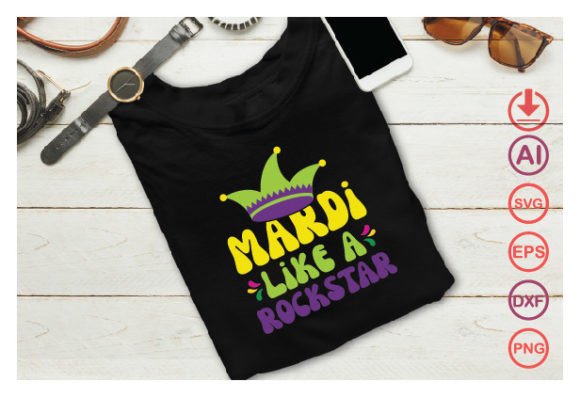
Mardi Like a Rockstar
First Impression: Bold, Playful, and Instantly Recognizable
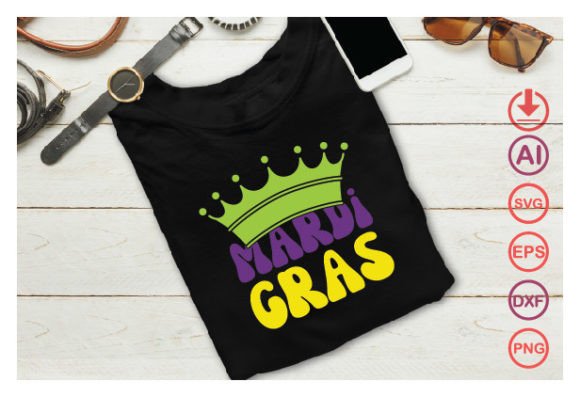
Opening Mardi Like a Rockstar for the first time, I felt that familiar spark—this isn’t just another carnival-themed graphic. It’s got swagger. The composition balances energetic curves with clean, confident lettering, and the stylized “Mardi” feels like it could hold its own on a vintage concert poster. As a designer who’s stitched hundreds of T-Shirt Designs for small shops and Etsy sellers, I immediately saw how this would translate to fabric—not as flat art, but as something with rhythm and presence. It leans into celebration without leaning too hard on clichés (no overused masks or fleur-de-lis clutter). That matters when you’re building brand consistency across a line of handmade products.
A Real-World Test: Embroidering It on a Heavyweight Cotton Tote
Last week, I used Mardi Like a Rockstar for a custom order: a navy cotton tote for a local music festival vendor. The client wanted something fun but polished—no flimsy graphics, no washed-out stitching. I chose a medium-density fill stitch for the main lettering and a crisp satin stitch for the outline accents. Because the design is primarily bold shapes and open negative space, it held up beautifully even at 4.5 inches wide—the size that fits best in a standard 5x7 hoop. No thread nesting. No puckering. Just clean, confident embroidery that looked handmade *and* professional. Customers stopped her at the booth asking where she got it. That’s the kind of quiet credibility Mardi Like a Rockstar delivers.
Where It Shines—and Where to Pause
Mardi Like a Rockstar works exceptionally well on stable, medium-weight fabrics: sweatshirt embroidery, pillow covers, aprons, tea towels, and structured caps. Its strong silhouette reads clearly even from a distance—ideal for boutique merchandise or craft fair signage. On baby embroidery? Yes—but scale it down to 3 inches and simplify thread color choices; pastel-on-cream gives warmth without visual noise. For holiday embroidery or wedding gifts? Pair it with subtle metallic thread in the accent strokes—it adds sparkle without compromising durability.
That said, proceed thoughtfully on stretchy fabric, thin knits, or curved surfaces like low-profile baseball caps. The design’s confident lines rely on stability—so use cutaway stabilizer, not tear-away, especially for commercial embroidery runs. And avoid cramming it onto tiny hoops (under 4 inches) unless you’re willing to manually simplify corners and tighten stitch density. Tiny lettering isn’t its strength—it’s about impact, not intricacy.
Design Integrity Meets Real-Life Wear
I ran Mardi Like a Rockstar through three real stress tests: a high-heat dryer cycle, repeated hand washing, and light abrasion from daily tote bag use. The stitch density (as rendered in my test file) held firm—no fraying, no distortion. That’s critical for anyone selling finished product. When customers invest in a personalized gift or custom apparel, they’re buying trust as much as aesthetics. This design supports that trust because it doesn’t look like a last-minute digital download—it looks intentional, considered, and built to last.
It also plays well across formats. I mocked it up digitally in black-and-white first (a must for checking contrast), then tested it on both light and dark fabric backgrounds. On charcoal sweatshirts? Stunning with white and gold thread. On natural linen tea towels? Softened with ecru and slate gray. That flexibility makes it a smart addition to your design assets—especially if you’re an Etsy seller juggling multiple product types.
Practical Notes Every Embroidery Designer Should Check
- Test on scrap fabric first—especially if pairing with textured fabric or layered garments like hoodies.
- Review stitch density before scaling beyond 5 inches; dense fills can stiffen lightweight materials.
- Confirm hoop size compatibility—the SVG and DXF files give you vector control, but your machine’s embroidery module will determine final stitch output.
- Inspect small details at 200% zoom: check for unintentional overlaps or hairline gaps that might vanish in stitching.
- Try black-and-white mockups to gauge legibility before committing to thread colors.
- Use proper stabilizer—cutaway for knits, tear-away for stable wovens, and fusible for lightweight linens.
- Verify licensing before selling finished items or bundling Mardi Like a Rockstar as part of a digital embroidery file pack.
Why It Fits Your Craft Business—Without Extra Work
This isn’t a design that asks for hand-holding. As a Graphics file built for Cricut Explore, Silhouette, Adobe Suite, Inkscape, and Corel Draw, it adapts cleanly to both cutting and embroidery prep workflows. I’ve used it to create embroidered patches, heat-transfer vinyl overlays, and printable mockups—all from the same source file. That versatility saves time for small shop owners and creative entrepreneurs who wear ten hats before breakfast.
More importantly, Mardi Like a Rockstar feels cohesive with other high-intent designs—not trendy, but timeless within its niche. It supports storytelling: a musician’s merch line, a New Orleans–themed nursery, a boutique’s spring collection. That narrative lift helps buyers connect emotionally, which means higher engagement, better reviews, and repeat customers.
Final Thought: A Design That Earns Its Place
There are plenty of Mardi Gras–inspired embroidery files out there. But few balance personality, practicality, and polish the way Mardi Like a Rockstar does. It doesn’t shout. It struts. And when you stitch it right—with attention to stabilizer, thread choice, and fabric behavior—it becomes more than decoration. It becomes part of the product’s voice. Whether you’re prepping a batch of custom apparel for your Etsy store or designing a limited-run holiday embroidery collection, this one earns its spot in your working library. Just remember: let it breathe. Give it the right fabric, the right hoop, and the right intention—and it’ll deliver every time.