Christmas Cat Destroy Tree Decorations
A Designer’s First Look: Playful Chaos, Not Just Cuteness
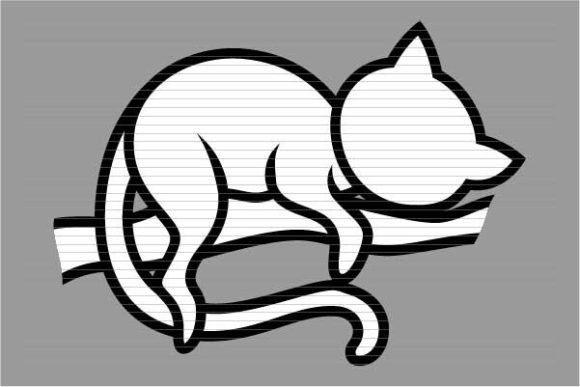
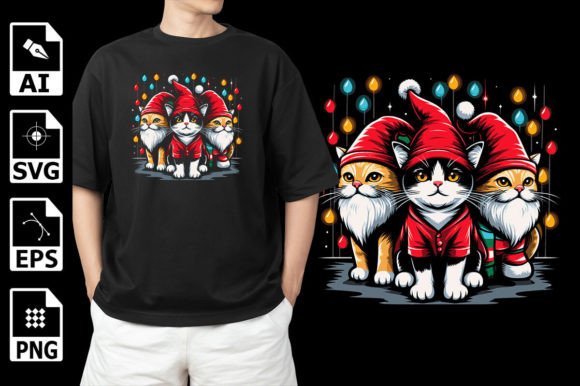
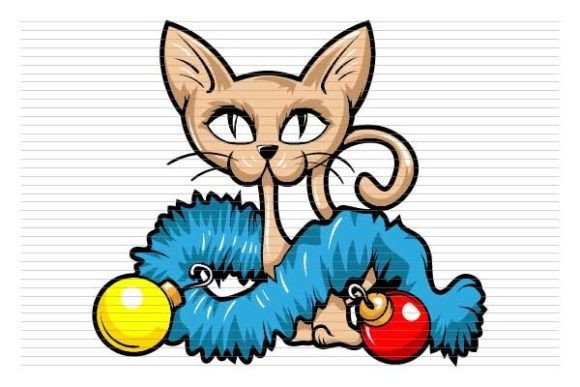
When I opened Christmas Cat Destroy Tree Decorations, I didn’t see another generic holiday graphic—I saw a tiny, mischievous narrative. A cat mid-pounce, tail flicking, one paw tangled in tinsel, the other gripping a bent ornament—tree branches bending under the weight of joyful sabotage. It’s not saccharine; it’s spirited. The lines are bold but intentional, with clear negative space around limbs and ornaments. That tells me this was drafted with stitch logic in mind—not just vector polish. As a designer who’s stitched hundreds of holiday motifs on everything from baby onesies to boutique aprons, I immediately pictured this on a medium-weight cotton tote: slightly irreverent, instantly recognizable, and deeply shareable.
Where This Design Truly Shines (and Where It Needs Care)
Christmas Cat Destroy Tree Decorations lands perfectly for custom apparel and handmade gifts where personality matters more than perfection. On a relaxed-fit sweatshirt? Yes—it reads clearly at 4–5 inches wide, with enough visual weight to hold up against textured fleece. On a tea towel or pillow cover? Absolutely. The composition avoids tight clusters of fine detail, so fill stitches won’t bleed or blur on looser weaves. As an embroidered patch for a denim jacket or backpack? Strong candidate—the silhouette is cohesive, and the cat’s outline gives clean satin-stitch definition without overworking the edges.
But—and this is where real-world testing matters—Christmas Cat Destroy Tree Decorations isn’t ideal for every surface. On thin or stretchy fabric like jersey tees, I’d stabilize heavily and reduce stitch density if possible (check your embroidery file settings). Curved areas—like the front of a structured cap—will compress the top ornament and stretch the cat’s tail unless you adjust placement or use a smaller scale. And on dark fabric? Test thread contrast first. The tinsel line and tree trunk rely on subtle layering—if your white or silver thread lacks sheen, those accents vanish. No small-lettering pitfalls here (there’s no text), but dense fill areas near the base of the tree *will* show stabilizer shadow on lightweight fabrics unless you choose tear-away + topping.
Real Project Moment: Stitching It for a Holiday Pop-Up Shop
Last week, I prepped Christmas Cat Destroy Tree Decorations for a set of linen-blend kitchen towels bound for a local craft fair. My goal wasn’t just decoration—it was storytelling. Buyers lingered longest when they recognized the chaos: “That’s my cat!” “My tree never survives past December 10th!” That emotional hook is gold for Etsy sellers and small shop owners. But before stitching, I ran three quick checks: (1) Hoop size—confirmed it fits comfortably in my 5×7, leaving room for rehooping if needed; (2) Stabilizer—used medium-cutaway for the linen’s slight give; (3) Thread colors—swapped default green for a muted forest tone and chose a metallic silver for tinsel, which popped beautifully against natural fabric. The finished towels felt cohesive, handmade, and commercially polished—not mass-produced.
What This Design Says About Your Brand (Without Saying a Word)
Using Christmas Cat Destroy Tree Decorations signals confidence in your taste. It’s not safe. It’s not stock. It tells customers you curate design assets that reflect real life—flawed, funny, and full of warmth. For craft businesses selling personalized gifts, that authenticity builds trust faster than any “handmade with love” tagline. For Etsy sellers listing digital embroidery files, this design stands out in search because it balances theme specificity (“Christmas cat”) with broad usability (“tree decorations” implies versatility). And for apparel decorators adding holiday collections to their portfolio? It expands your range beyond reindeer and snowflakes—without sacrificing stitch reliability.
Practical Notes Every Embroiderer Should Run Before Going Live
- Always test on scrap fabric first—especially if pairing with textured or dark materials.
- Review stitch density in your embroidery software. If it’s dense near the tree base, consider lightening fill for delicate fabrics.
- Confirm hoop size compatibility. While vectors are clean and scalable, your machine’s maximum stitch area may require minor resizing.
- Inspect small details at actual stitch-out size: does the tinsel line stay legible? Does the cat’s ear retain shape?
- Test black-and-white mockups—they reveal contrast issues invisible on screen.
- Compare light vs. dark backgrounds using printable mockups before finalizing product photos.
- Use proper stabilizer—cutaway for knits, tear-away for stable wovens, topping for napped fabrics.
- Verify licensing before selling finished items or bundling this as part of a commercial embroidery collection.
Final Thought: A Design That Works as Hard as You Do
Christmas Cat Destroy Tree Decorations isn’t just a T-Shirt Designs graphic—it’s a conversation starter, a small-business differentiator, and a reliable embroidery project anchor. It respects the craft: clean vectors mean fewer digitizing surprises; balanced proportions prevent hooping stress; and its mood fits both playful baby embroidery and cheeky boutique branding. Whether you’re prepping holiday inventory, building a digital product store, or stitching last-minute personalized gifts, this design earns its place in your workflow—not because it’s trendy, but because it’s thoughtfully built for real use. Just remember: even the best embroidery file needs your eye, your hand, and your judgment. Run those tests. Trust your instincts. And let the cat do the rest.