Not Very Cool earth Svg
As a designer who’s spent years working with machine embroidery designs, I always start by asking: does this file translate well into real-world projects? Not Very Cool earth Svg is an interesting piece that offers a unique aesthetic but requires careful consideration for practical use. Let’s break down what it brings to the table and how it might fit into your next embroidery project.
The First Impression: A Design That Speaks Vaguely
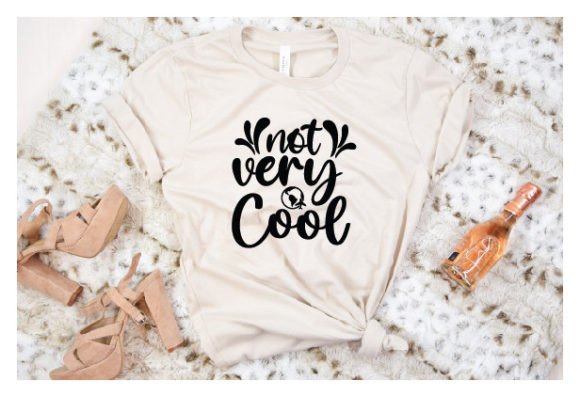
From the moment you open Not Very Cool earth Svg, the design feels intentionally minimalist. The shape is abstract—more of a symbolic representation than a literal image. It has a retro, almost hand-drawn quality that could work well for a range of products, from casual t-shirts to custom patches. The layout is clean, with a central focus that doesn’t overwhelm the space. But the lack of intricate detail means it’s not the best choice for high-density stitching or complex patterns.
This design seems to be aimed at a niche audience—those who appreciate subtle, artistic expressions over bold, graphic statements. It’s not the kind of design that screams “I’m here!” but rather one that quietly invites curiosity. If you’re looking for something that can be interpreted in multiple ways, this could be a good fit.
Real-World Embroidery Use Cases
Not Very Cool earth Svg works best on larger surfaces where its simplicity can shine. For example, if you're creating a custom embroidered tote bag, the design would look great as a central motif. It also has potential for sweatshirt embroidery, especially on lighter-colored fabrics where the contrast between the design and the background is clear.
For baby items, like onesies or blankets, the design could serve as a gentle, non-intrusive element. It’s not too detailed to be overwhelming, but it still adds a touch of personality. Similarly, if you’re making a patch for a jacket or a backpack, the size and shape of the design make it suitable for medium-sized hoops.
However, this design isn’t ideal for smaller projects like caps or hats. The limited detail and lack of sharp edges may not hold up when stitched onto curved surfaces. You’ll also want to avoid using it on dark fabrics unless you adjust the thread colors accordingly.
Where to Be Cautious
One thing to keep in mind is that Not Very Cool earth Svg isn’t the best choice for small hoop sizes. If you try to scale it down, the details may become lost or distorted. This is especially true if you’re working with thin or stretchy fabrics, where the design might not sit flat or maintain its shape after stitching.
Another area to be cautious is when using it on textured or layered garments. The design’s simplicity could get lost in the fabric’s pattern, making it less visible. If you’re planning to use it on a holiday gift or a personalized product, consider how the final appearance will look once stitched and finished.
For commercial embroidery projects, it’s important to test the design thoroughly before committing to large-scale production. Make sure it looks good in both light and dark fabric backgrounds, and check whether it maintains clarity when used in different stitch types, such as satin stitch or fill stitch.
Impact on Visual Appeal and Customer Perception
When it comes to visual appeal, Not Very Cool earth Svg is a design that relies on context. It doesn’t have the instant recognition of a more traditional logo or symbol, but it can add a unique touch to handmade products or custom apparel. Its minimalist approach makes it versatile, but it also means that the success of the final product depends heavily on how it’s presented.
Customers may not immediately recognize the design, but they could appreciate its subtlety and artistic nature. This could be a plus for Etsy sellers or small shop owners looking to stand out with unique, creative designs. However, if you’re aiming for a more straightforward, recognizable look, this might not be the best option.
From a branding perspective, the design could work well for businesses that want to convey a laid-back, eco-friendly, or artistic vibe. It’s not the kind of design that screams “commercial,” but it could fit into a boutique product line or a craft fair booth with the right presentation.
Practical Designer Notes
Before jumping into any project with Not Very Cool earth Svg, I recommend doing a few quick tests. Start by stitching it onto scrap fabric to see how the design translates. Check the thread color contrast—especially if you plan to use it on dark or light backgrounds. Also, review the stitch density to ensure it won’t cause puckering or distortion on delicate fabrics.
If you’re using it for a custom apparel project, confirm the hoop size needed and make sure the design fits comfortably within that space. Inspect the small details closely, as some elements might be too fine for certain machines or fabric types. It’s also a good idea to test the design in black and white mockups to see how it looks without color.
Finally, remember to check the licensing terms before selling any finished products or digital files. Even though the design is simple, proper permissions are essential for commercial use.
Final Thoughts: A Design for the Right Project
Not Very Cool earth Svg isn’t a one-size-fits-all design. It has a specific personality and purpose that needs to align with your project goals. If you’re looking for something that can be used in a variety of applications—like a tote bag, sweatshirt, or patch—it could be a valuable addition to your collection.
But if you’re aiming for something bold, highly detailed, or instantly recognizable, this might not be the best choice. As with any machine embroidery design, the key is to understand its strengths and limitations before incorporating it into your workflow.