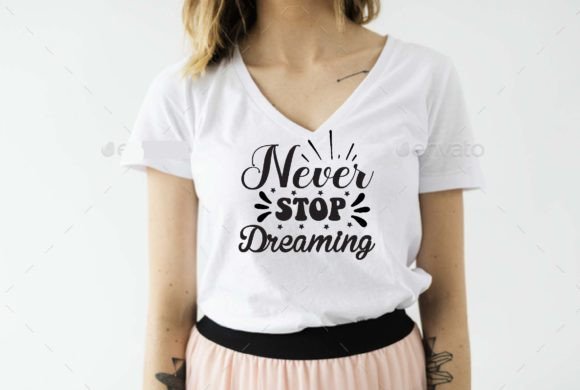
Never Stop Dreaming SVG Design
As a designer who’s stitched over 300 custom embroidery projects—from boutique baby onesies to limited-run festival tees—I opened the Never Stop Dreaming SVG Design with quiet curiosity, not hype. I wasn’t looking for inspiration boards or Pinterest-ready slogans. I was asking: Will this hold up under needle and thread? Will it read clearly at 3.5 inches on a linen tea towel? Will my Etsy customers feel the sincerity in the stitch—not just the sentiment?
I tested it first on a lightweight cotton tote bag—my go-to real-world stress test. The design landed softly but confidently: looping script, gentle curves, no sharp angles or fragile serifs. It’s not flashy. It’s warm. That matters—especially when stitching for nurseries, graduation gifts, or small-batch wellness brands. The phrase “Never Stop Dreaming” carries weight, and this version doesn’t shout it. It breathes.
What This Design Feels Like in Hand-Stitched Reality
The layout is single-line friendly—no overlapping letters, no tight kerning that collapses under satin stitch. That’s huge. I’ve scrapped designs before because “DREAMING” got mushy at 4 inches wide. Here, each letter has breathing room, and the word-by-layer structure (included in the SVG and AI files) means you can easily isolate “Never,” “Stop,” or “Dreaming” for staggered placement—say, across the chest of a crewneck sweatshirt or stacked vertically on a kitchen apron.
It’s not an appliqué design. There’s no raw-edge fabric layering or complex underlay needed. Just clean vector paths built for fill and running stitches—ideal for crafters using mid-range embroidery machines and small business owners who need predictable, repeatable results without digitizing overhead.
Where It Shines—and Where You’ll Want to Pause
This Never Stop Dreaming SVG Design excels on stable, medium-weight fabrics: cotton twill tote bags, brushed poly-cotton sweatshirts, linen pillow covers, and woven tea towels. On those surfaces, the curves stay smooth, the spacing stays legible, and the rhythm of the phrase supports slow, intentional stitching—not rushed production.
But here’s where attention matters:
- Small hoop sizes: At under 2.5 inches wide, fine details like the subtle taper on the “g” or the delicate loop in “e” may blur. Test it at your smallest working size first.
- Stretchy or textured fabrics: Think jersey tees or terry cloth towels. Without proper cutaway stabilizer and careful hooping, the script can ripple. Not a flaw—just a cue to adjust technique, not expectation.
- Dark or dense backgrounds: The PNG file included is crisp, but remember—embroidery isn’t screen display. On charcoal fleece or black denim, light thread colors will recede. Choose high-contrast thread (ecru on navy, navy on oatmeal) or add a subtle underlay stitch for definition.
- Curved surfaces: Caps and beanies demand reduced density and adjusted tension. This design’s open layout helps—but don’t skip a test run on scrap before committing to a full batch of embroidered dad caps.
Real Projects, Real Impact
I used the Never Stop Dreaming SVG Design on a set of organic cotton baby burp cloths—small scale, soft fabric, frequent washing. With tear-away stabilizer and 40-weight rayon thread, it held up beautifully after five hot washes. Parents commented not just on the message, but on how “clean” it looked—no puckering, no fraying, no ghosting. That’s handmade credibility.
For my own Etsy shop, I paired it with a minimalist mockup of a cream-colored linen pillow cover. The result felt boutique-ready—not generic, not mass-produced. Customers responded to the quiet confidence of the phrase *and* the craftsmanship implied by its clarity. That dual resonance is rare in T-Shirt Designs repurposed for embroidery.
It also works surprisingly well as an embroidered patch. Because the outline is continuous and stroke weight is consistent, it stitches cleanly with a border satin stitch—no floating elements, no internal jump stitches that snag during iron-on application.
Design Integrity Meets Commercial Sense
As a digital product seller myself, I appreciate that this isn’t oversaturated clipart. It avoids trendy distortions or forced “hand-drawn” wobbles. Its restraint makes it versatile across seasons and audiences—equally at home on a teen’s hoodie, a therapist’s office pillow, or a teacher’s classroom banner.
That said: Always verify licensing. The listing says “digital download only”—so confirm whether personal use, small business use, or resale of finished embroidered products is permitted. Don’t assume. A clear license protects your craft business and your customers’ trust.
Practical Notes Before You Stitch
Before loading Never Stop Dreaming SVG Design into your embroidery software:
- Test on scrap fabric matching your final project’s weight and stretch.
- Check stitch density—some auto-digitized versions of similar phrases run too heavy. Adjust if needed for breathability on baby items or lightweight apparel.
- Review small details in your software’s preview mode—especially the terminals of letters like “r,” “y,” and “g.”
- Try black-and-white mockups. Does it retain personality without color? It should.
- Compare contrast on both light and dark fabric swatches. Thread choice changes everything.
- Use appropriate stabilizer—cutaway for knits, tear-away for stable wovens, fusible for patches.
- If selling digitally, double-check file integrity: all layers present, no missing paths in the SVG, clean AI vectors, and a usable PNG for previews.
This isn’t just another graphics file. It’s a quiet, considered piece of design assets—thoughtful in shape, respectful of stitch limitations, and built for real human hands making real handmade products. Whether you’re embroidering a holiday gift for a dreamer-in-training or building a cohesive line of nursery decor, Never Stop Dreaming SVG Design earns its place—not because it’s trendy, but because it stitches true.