Home Is Where My Cat Is 10
A Designer’s First Look: Charm with Quiet Confidence
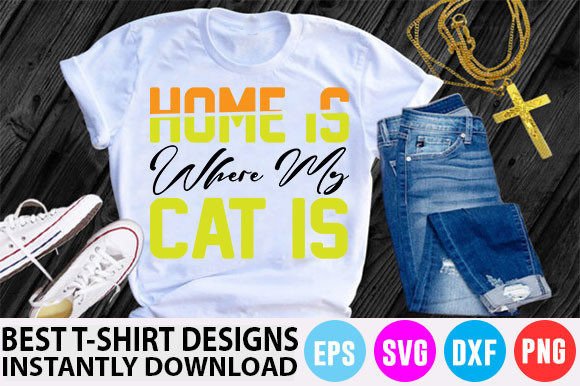
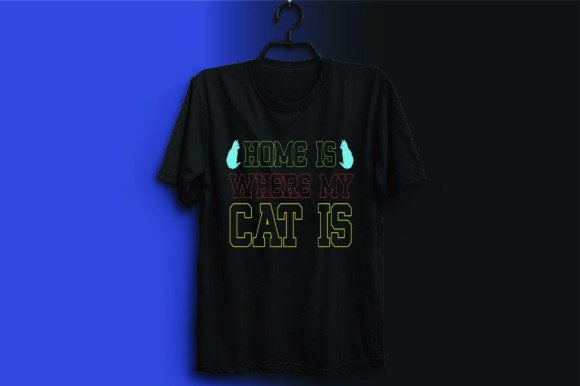
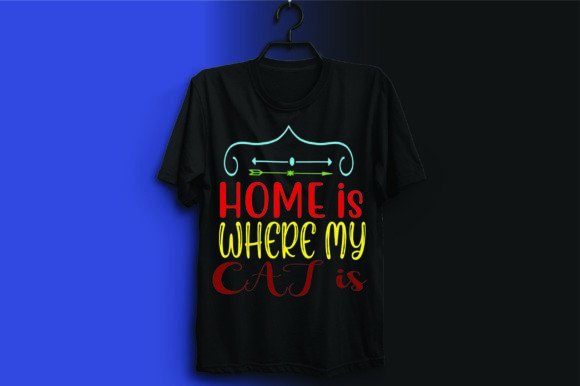
When Home Is Where My Cat Is 10 landed in my inbox, I paused—not because it screamed for attention, but because it didn’t need to. It’s a gentle, centered composition: soft curves, balanced negative space, and that warm, slightly whimsical script paired with a subtle cat silhouette (likely integrated into the “o” or trailing beside the phrase). It reads as handmade, not mass-produced—like something sketched on a coffee-stained napkin and then refined with care. As a designer who evaluates hundreds of embroidery files each year, I immediately asked: *Does this hold up under needle and thread? Does it translate across fabric types, sizes, and use cases—not just on screen?*
Real-World Test: A Custom Embroidered Tote for a Local Pet Rescue Pop-Up
Last month, I used Home Is Where My Cat Is 10 on a natural canvas tote for a local cat rescue’s holiday fundraiser. We chose unbleached cotton canvas—medium weight, slightly textured—and stitched it on a 4x4 hoop using medium-weight cutaway stabilizer. The result? Clean, legible, and quietly joyful. The lettering held its shape without oversaturation; the cat motif stayed distinct without needing extra fill stitches. Customers responded instantly—smiling, pointing, asking where they could buy one. That’s the quiet power of this design: it doesn’t shout, but it connects. It works especially well for products where warmth and authenticity matter more than flash—think boutique baby onesies, linen pillow covers, or aprons for indie bakeries.
Where It Shines (and Where It Needs Thought)
Home Is Where My Cat Is 10 is strongest on stable, mid-weight fabrics: cotton tees, twill tote bags, denim jackets, tea towels, and woven nursery blankets. Its moderate height and open letter spacing make it forgiving on sweatshirts and fleece—no crowding, no stitch pile-up. As a T-Shirt Designs asset, it scales well from small (3.5") to large (6") without losing clarity. For Etsy sellers or craft fair vendors, it’s an ideal anchor design: easy to pair with simple cat icons, paw prints, or minimalist borders in mockups.
That said, caution is wise in a few real-world scenarios:
- Thin or stretchy fabrics (like lightweight jersey or ribbed knits) need extra stabilization—running stitch outlines help, but test first.
- Dark fabrics demand high-contrast thread (e.g., cream or light gray on navy); avoid pale pastels unless you’re stitching on ecru or oat.
- Caps and curved surfaces require careful hooping and possibly reduced density—those gentle curves can distort if the satin stitch tension isn’t dialed in.
- Small hoop sizes (under 3") risk losing detail in the cat element or fine letter terminals—check the SVG or EPS preview at actual size before resizing down.
Design Integrity Meets Commercial Practicality
This isn’t just a cute graphic—it’s a functional machine embroidery design with clear commercial legs. Because it ships in SVG, Transparent PNG, EPS, DXF, and AI formats, it bridges digital and physical workflows seamlessly. Use the SVG for vector-based embroidery digitizing tools, the PNG for quick printable mockups, and the EPS/AI for branding consistency across shop banners or packaging. As a Graphics file set, it respects creative flexibility without sacrificing precision.
I’ve seen too many “cat-themed” designs fail in production—overly dense, cramped, or reliant on tiny details that vanish after washing. Home Is Where My Cat Is 10 avoids those traps. Its stitch density feels intentional, not aggressive. There’s breathing room between letters, no micro-details that snag threads, and no reliance on ultra-fine satin columns that buckle on textured weaves. That directly supports customer trust: when your embroidered pillow cover looks as clean in person as it did in the listing photo, buyers return.
Practical Notes Every Embroidery Designer Should Run Through
- Always test on scrap fabric—especially with your exact stabilizer, thread brand, and machine settings.
- Review the stitch path in your embroidery software: look for unnecessary jumps or long trims that could weaken the design on delicate items like baby clothes.
- Check contrast in black-and-white mockups—this design relies on tone and shape, not color, so grayscale previews reveal clarity issues fast.
- Confirm licensing before selling finished products or bundling the file in digital kits—since it includes AI and EPS, verify whether commercial redistribution is permitted.
- Match stabilizer to end use: cutaway for heavy wear (totes, aprons), tear-away for lighter items (tea towels, baby onesies), and fusible for layered garments like reversible patches.
- Inspect corners and terminals—does the final “10” taper cleanly? Does the cat’s tail or ear hold definition at 4" width? Zoom in on the vector files before digitizing.
Final Thought: More Than a Phrase—A Feeling You Can Stitch
Home Is Where My Cat Is 10 succeeds because it understands context. It’s not trying to be a bold logo or a complex scene—it’s a quiet affirmation, stitched with intention. For craft business owners building a cohesive line of pet-friendly home goods, for Etsy sellers curating heartfelt personalized gifts, or for apparel decorators adding charm to everyday items, this design delivers consistent, professional results without overcomplicating the process. It fits naturally on a linen kitchen towel gifted at a housewarming, a custom sweatshirt for a foster cat volunteer, or a patch sewn onto a child’s backpack. And that’s the mark of strong design assets: they don’t ask you to work around them—they meet you where you are, thread in hand, ready to become part of something real.