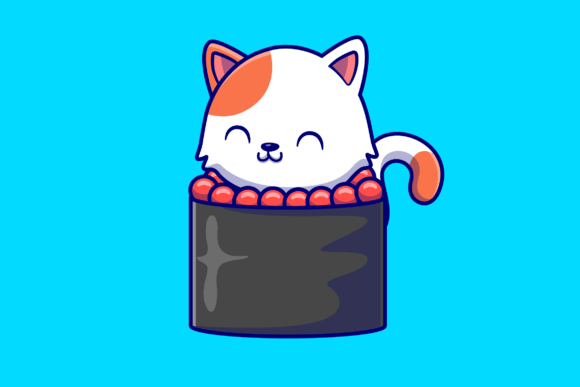
Cute Cat Sushi Cartoon Illustration
First Impressions: Playful, Compact, and Instantly Recognizable
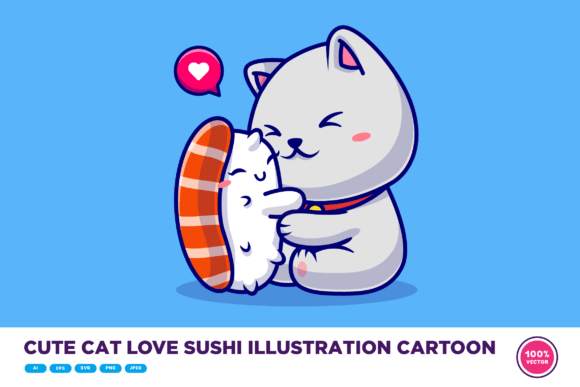
When I opened Cute Cat Sushi Cartoon Illustration, my first thought wasn’t “cute”—it was “practical.” The flat cartoon style delivers clean outlines and balanced negative space, with a cat’s face cleverly integrated into a sushi roll. No fussy gradients or overlapping shadows—just bold, friendly shapes that read clearly at a glance. That’s gold for embroidery designers. It feels like a design made *for* stitching, not just screen display. I immediately pictured it on a linen tea towel for a boutique kitchen line, or stitched onto the chest of a soft organic cotton onesie. Its charm isn’t loud—it’s warm, approachable, and quietly confident.
A Real Project Test: Embroidering It on a Linen Tote Bag
Last week, I used Cute Cat Sushi Cartoon Illustration as the centerpiece for a custom embroidered tote bag—intended for a local café’s staff gift set. I chose medium-weight natural linen, paired with high-quality 40-weight rayon thread in muted teal, coral, and cream. The result? Crisp, legible, and full of character—even at 3.2 inches wide. Because the design avoids micro-details (no tiny fish scales or whisker lines), it held up beautifully during digitizing. Fill stitches stayed smooth, satin stitch edges wrapped cleanly around curves, and running stitch accents (like the cat’s ear outline) remained distinct without bleeding. Customers loved how it looked *handmade*, not mass-produced—exactly the vibe small shops and Etsy sellers need.
Where It Shines—and Where to Pause
Cute Cat Sushi Cartoon Illustration works exceptionally well for:
- Custom apparel: Sweatshirt embroidery (left chest placement), lightweight t-shirts, and baby embroidery where simplicity reads best.
- Home + lifestyle goods: Tea towels, pillow covers, and aprons—especially when paired with neutral fabric tones.
- Patches & accessories: As an embroidered patch on denim jackets or canvas caps (though cap curvature requires slight digitizing tweaks).
- Personalized gifts: Holiday embroidery on kitchen linens or nursery decor—its food-animal fusion adds whimsy without feeling childish.
- Digital product previews: Clean vector roots make it ideal for printable mockups and digital embroidery file listings on Etsy or creative marketplaces.
But be thoughtful with:
- Small hoop sizes: Below 3 inches, subtle shape relationships (like the cat’s eye inside the nori wrap) may blur. Always test at your target size.
- Textured or stretchy fabric: Terry cloth or jersey needs extra stabilizer—fill stitch density can shift on uneven surfaces.
- Dark fabric backgrounds: Light thread colors pop, but check contrast early. A black-on-navy combo might vanish unless you adjust thread hue or add underlay.
- Frequent-wash items: While the design itself is durable, dense fill areas benefit from quality stabilizer and proper thread tension to prevent puckering over time.
What It Adds to Your Finished Product—Beyond Cuteness
This isn’t just another clipart-style graphic. Cute Cat Sushi Cartoon Illustration elevates perceived value because it balances personality with professionalism. On a handmade product, it signals intention—not just decoration. Buyers notice that. For craft business owners, it supports brand consistency when used across packaging, social media, and physical goods. As an embroidery project, it invites engagement: customers smile, ask about the story behind it, and remember your shop. That kind of recognition matters—especially for Etsy sellers competing in saturated niches like food-themed or pet-inspired goods. And yes, it’s gift-ready: whether it’s a birthday present for a sushi-loving cat parent or a wedding favor for a couple who met at a ramen bar, it lands with warmth and wit.
Practical Designer Notes Before You Stitch
Before committing to Cute Cat Sushi Cartoon Illustration in your next machine embroidery design:
- Test on scrap fabric first—especially if using textured, dark, or stretchy material.
- Review stitch density in your embroidery software. Flat cartoon styles often digitize cleanly, but avoid overloading small areas.
- Confirm hoop size compatibility. If you’re working with limited hoop real estate (e.g., for caps or baby onesies), verify the design fits comfortably with margin room.
- Inspect small details like inner ear shape or rice grain texture—if those matter for your vision, zoom in before finalizing.
- Try black-and-white mockups to assess contrast and clarity without color distraction.
- Compare light vs. dark fabric backgrounds using your actual thread palette—not just screen previews.
- Use appropriate stabilizer: Tear-away for stable fabrics, cut-away for knits or delicate weaves.
- Check licensing terms carefully before selling finished products or bundling the design into digital embroidery files. This is a Graphics asset—verify commercial use rights directly with the source.
Final Thought: A Design That Earns Its Place
Cute Cat Sushi Cartoon Illustration doesn’t shout. It invites. It’s the kind of illustration that makes customers pause mid-scroll, then click “add to cart.” For embroidery designers and creative entrepreneurs, that’s rare—and valuable. It’s not filler. It’s functional charm: compact enough for a pocket-sized patch, expressive enough for a boutique banner, and versatile enough to grow with your craft business. Whether you’re digitizing it for a client’s custom apparel order or stitching it onto a holiday gift for a friend, it carries weight—not because it’s complex, but because it’s considered. And in handmade work, that consideration shows.